
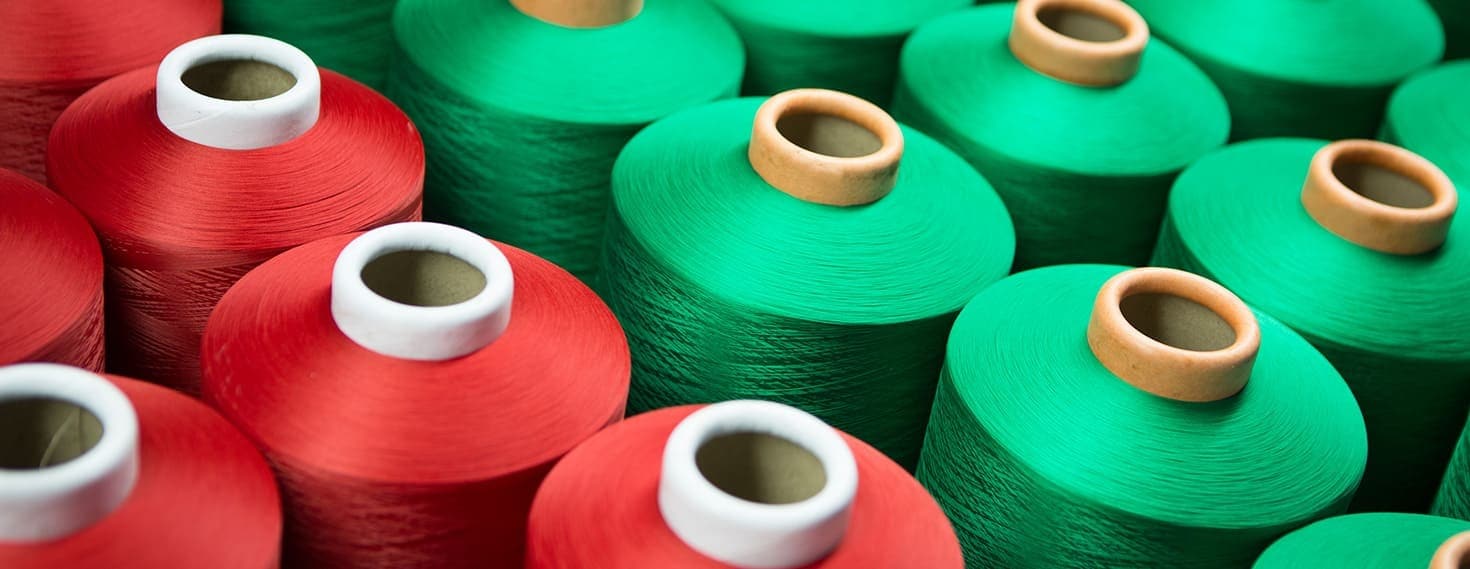
In the world of textiles, not all fabrics are created equal. Among the many processes that influence quality, durability, and aesthetics, yarn dyeing has established itself as the hallmark of premium shirting fabrics. Unlike piece dyeing, where fabrics are dyed after weaving, yarn dyeing involves coloring the yarn before it is woven. This distinction, though subtle at first glance, creates a dramatic difference in the final product.
One of the most important advantages of yarn dyeing is its superior color depth and consistency. When yarns are dyed individually, the color penetrates thoroughly, resulting in fabrics with richer tones and long-lasting vibrancy. This is particularly important for shirting fabrics, where crispness and clarity define the overall appeal. Checks, stripes, and intricate patterns display far more brilliance in yarn-dyed textiles compared to their piece-dyed counterparts.
Durability is another key advantage. Shirting fabrics often undergo frequent washing and ironing. Yarn-dyed fabrics hold their colors far better, resisting the uneven fading that plagues piece-dyed cloth. This longevity makes them a preferred choice for both premium brands and discerning consumers who expect shirts to retain their elegance over time.
From a design perspective, yarn dyeing opens up possibilities that piece dyeing cannot match. Patterns such as plaids, ginghams, and complex stripes rely on yarn-dyed threads to achieve precision and sharp definition. This capability is one reason why many global fashion houses and shirt makers insist on yarn-dyed fabrics for their collections.
Of course, yarn dyeing is not without its challenges. It is a more time-intensive and resource-demanding process compared to piece dyeing. Every batch of yarn must be dyed, dried, and carefully handled before weaving can begin. However, the investment in effort pays off in terms of fabric quality, aesthetic value, and long-term wear.
Today, as consumer expectations rise and the fashion industry demands more sophistication, yarn dyeing has only grown in importance. It strikes the perfect balance between tradition and innovation—rooted in craftsmanship yet adaptable to modern trends. Whether in pure cotton, linen, Tencel, or blends, yarn-dyed fabrics continue to define what “premium shirting” truly means.